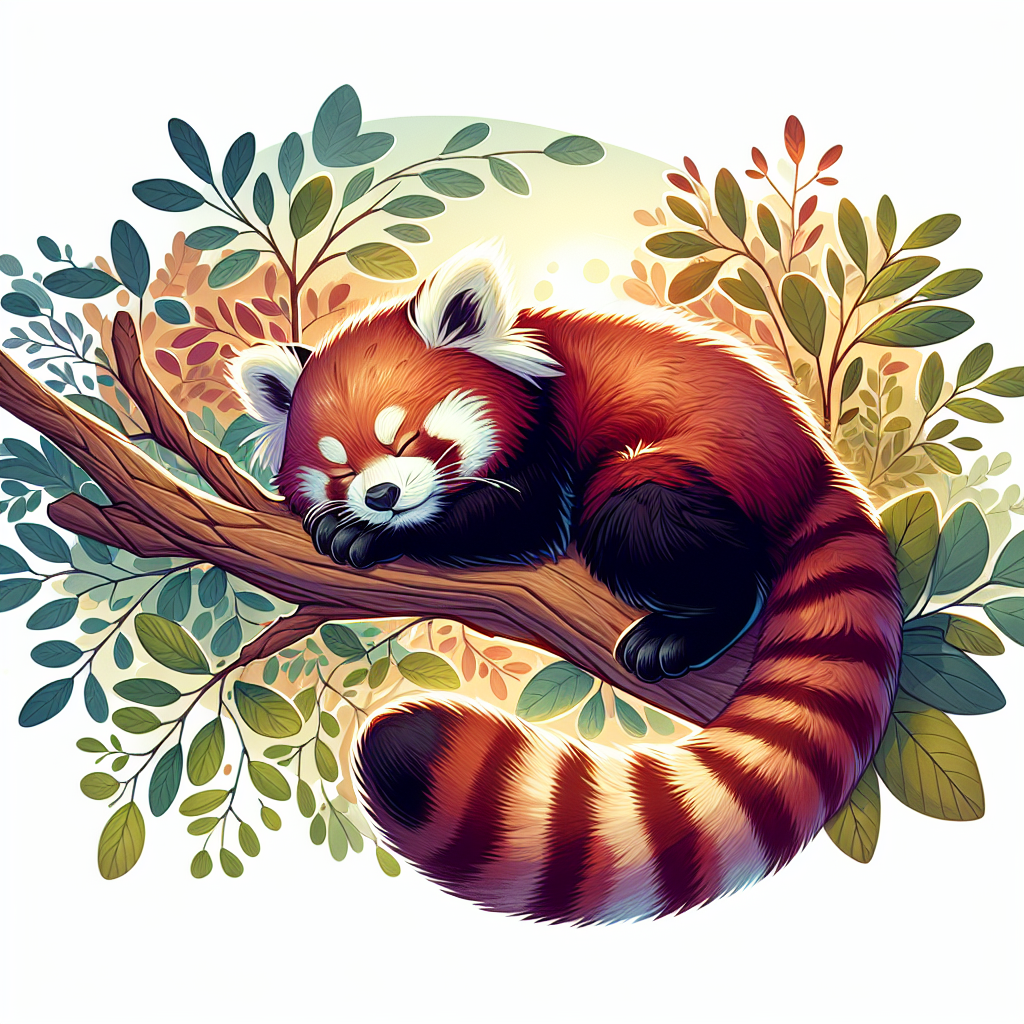
Discovering Red Panda Sleeping Habits: The Cozy Life of Pandas
Introduction
Red pandas are undeniably charming, capturing hearts with their cute faces and fascinating behaviors. Among all their activities, the sleeping habits of red pandas are particularly intriguing. This captivating topic serves as a gateway to understanding their lifestyle and conservation significance. Let’s embark on a journey to unravel the mysteries around “red panda sleeping habits.”
Understanding Red Panda Sleeping Patterns
Myth: Red pandas sleep all day because they are lazy.
Truth: Red pandas snooze a lot, but not out of laziness. They typically sleep 12-16 hours a day to conserve energy. Their diet primarily consists of bamboo, which is low in nutrients, necessitating ample rest to digest it efficiently. This misconception might stem from observing them during daylight hours when they’re often seen lounging.
- Energy Conservation: With their bamboo-heavy diet, they must optimize energy use.
- Daytime Loungers: They often appear inactive since they doze during the day.
Myth: Red panda sleep isn’t special.
Truth: Their sleep is uniquely adapted to their arboreal lifestyle. Red pandas are acrobatic tree-dwellers. Sleeping high in branches provides safety from ground predators. Their semi-retractable claws help them secure stable positions for restful sleep, highlighting evolutionary adaptations for survival.
- Arboreal Safety: Sleeping up high keeps predators at bay.
- Stable Perches: Their claws are crucial for sleep security.
Myth: Red pandas are nocturnal.
Truth: Contrary to popular belief, red pandas aren’t nocturnal but crepuscular. They are most active during twilight hours—dawn and dusk. This reduces competition for food and avoids the midday heat, perfect for a snack-loving creature in the temperate forests they call home. This unique active pattern is a fun fact that panda lovers cherish.
- Active at Twilight: Reduces competition and heat exposure.
- Dusk and Dawn: Ideal for finding food and staying comfortable.
Stay updated on more red panda discoveries at our Panda News page.
The Cozy Sleep Environment of Red Pandas
Myth: Red pandas sleep anywhere.
Truth: In reality, red pandas are choosy about where they rest. They favor specific habitats like dense forests in the Himalayas, where they can find tall trees and hollow logs as cozy spots. Their wild sleeping environment preferences are echoed in their need for safety and comfort.
- Preferred Habitats: Dense forests with tall trees and logs.
- Wild Safety: Trees provide hidden, secure nooks.
Myth: Security doesn’t matter for red panda sleep.
Truth: Safety plays a vital role in selecting a sleeping spot. Red pandas value seclusion, often opting for places that shield them from predators. Their solitary nature during sleep ensures they remain undisturbed, crucial for surviving in the wild’s unpredictability.
- Solitude Seekers: Prefer isolation for sleeping.
- Hidden Nooks: Keep them out of harm’s reach.
Myth: You can’t mimic a red panda’s environment at home.
Truth: You can create a cuddly red panda-inspired nook with thoughtful touches. Think plush cushions, bamboo prints, and peaceful vibes. This setup not only pays homage to their lifestyle but also creates a serene space reminiscent of their natural habitat.
- Cozy Nook: Use bamboo-themed decor and soft textures.
- Peaceful Vibes: Bring a bit of tranquility inspired by red pandas into your home.
Fun Facts About Red Panda Sleeping Habits
Myth: All red pandas sleep alike.
Truth: Red pandas exhibit quirky sleeping positions. From curling into a tight ball to dangling a leg off a branch, they showcase sleep styles as adorable as they are unique. This diversity adds charm to their already captivating persona.
- Sphere Sleepers: Curl up tightly for warmth.
- Branch Danglers: Resting with a limb lazily hanging down.
Myth: Weather doesn’t influence their slumber.
Truth: Weather does impact their sleep. Cold weather sees them curled up to conserve heat, while warmer climates may find them stretched out to cool down. These sleep adjustments help them adjust to their environment efficiently.
- Cold Curlers: Minimize heat loss by curling up.
- Warm Weather Stretchers: Spread out to release excess warmth.
Myth: Games don’t do justice to red panda habits.
Truth: Video games have creatively depicted red pandas, including their cute sleeping animations. Such features not only entertain but also educate players on their habits, subtly encouraging appreciation and awareness.
- Creative Depictions: Games capture their sleep styles.
- Educational Value: Promotes awareness through play.
Conservation Efforts and Sleep
Myth: Sleeping habits aren’t crucial for red panda conservation.
Truth: Sleep patterns are vital for conservation. Healthy sleep is crucial for maintaining the well-being of red pandas. Protecting their habitats ensures they have the right environment to thrive—including spaces conducive to restful sleep.
- Sleep Health: Essential for overall well-being.
- Habitat Preservation: Key to healthy sleep spaces.
Myth: There’s little individuals can do to help.
Truth: Every action counts. You can support red pandas by spreading awareness, donating to conservation groups, or even adopting a panda through recognized programs. Taking small steps creates lasting impact.
- Spread Awareness: Educate others about red pandas.
- Support Organizations: Donate or adopt a panda.
Myth: Only experts can advise on conservation.
Truth: You too can contribute valuable input. Encourage local community initiatives and engage in dialogues on conserving red panda habitats. Everyday conservation can inspire collective action.
- Community Engagement: Start conversations on red panda protection.
- Participate Locally: Join events or initiatives in your area.
The Role of Sleeping Habits in Red Panda Behavior
Myth: Sleep has no impact on social interactions.
Truth: Sleep significantly impacts their solitary lifestyle. Red pandas tend to be loners, partly because of their need for undisturbed rest. Their sleep habits shape their low-key social exchanges.
- Solitary Sleepers: Enjoy privacy in their slumber.
- Limited Interaction: Greater emphasis on sleep over socialization.
Myth: Red panda cubs mimic adult sleeping patterns.
Truth: Red panda cub sleeping habits evolve with age. Mothers initially stay nearby, helping cubs establish sleep routines. These nurturing behaviors highlight the special bond and the role sleep plays in their upbringing.
- Cubs’ Routines: Depend on mothers early on.
- Nurtured Growth: Sleep aids development.
Myth: It’s tough to engage kids with red panda behavior.
Truth: Kids can learn about red pandas through fun activities. Crafting red panda masks or staging a “panda rest time” can spark interest and teach them about these creatures in a playful way.
- Panda Crafts: Make masks or toys.
- Role-Playing Games: Simulate panda behavior.
FAQ: Common Questions About Red Panda Sleeping Habits
How long do red pandas sleep each day?
Red pandas typically rest for about 12 to 16 hours a day. Their lengthy sleep aids in the digestion of their bamboo-heavy diet, vital for energy conservation.
What do red pandas do while sleeping?
While asleep, red pandas enter a state of relaxation in secure spots. Their sleep mostly involves resting to recharge, thanks to their low-nutrient diet.
Why do red pandas sleep high in trees?
Red pandas sleep in trees to stay safe from ground predators. Sleeping aloft offers them shelter and protection, key for survival in their forest habitats.
When is the best time to see red pandas awake?
You’ll catch red pandas at their liveliest during dawn and dusk. They’re crepuscular, meaning they maximize twilight hours for foraging and activity.
Where can I find red pandas in the wild?
You can find red pandas in the temperate forests of the Himalayas, including regions of Nepal, Bhutan, and northern India. Their unique habitats support their lifestyle and conservation.
How can gaming help raise awareness about red pandas?
Games featuring red pandas often incorporate their quirky behaviors, including sleep patterns. Such representations can raise awareness and appreciation for these creatures among gamers worldwide.
What are the signs of a healthy sleeping red panda?
A healthy red panda shows signs of restful sleep, like snugly curled-up positions and a peaceful demeanor. These indicate they’re comfortable and undisturbed in their environment.
Conclusion
Red panda sleeping habits offer a fascinating window into their serene lifestyles.
- Energy Conservation: Essential due to their bamboo diet.
- Arboreal Adaptations: Sleep high for safety.
- Conservation Connection: Sleep plays a role in habitat and health.
- Unique Behaviors: Reflect natural adaptations and charm.
For more panda-related wonder, explore our content further to enlighten your understanding of these enchanting creatures and their intricate sleeping habits!