Panda Biology Comparison Guide
Introduction
Imagine venturing into the lush bamboo forests of central China, where the enigmatic giant panda roams freely. In this comprehensive guide, we’ll dive into the fascinating world of panda biology, focusing on “panda biology.” We’ll explore the captivating comparisons that make these black-and-white bears a constant source of wonder for enthusiasts worldwide.
Comparison of Panda Habitats vs. Other Bears
Natural Habitat: Pandas vs. Grizzly Bears
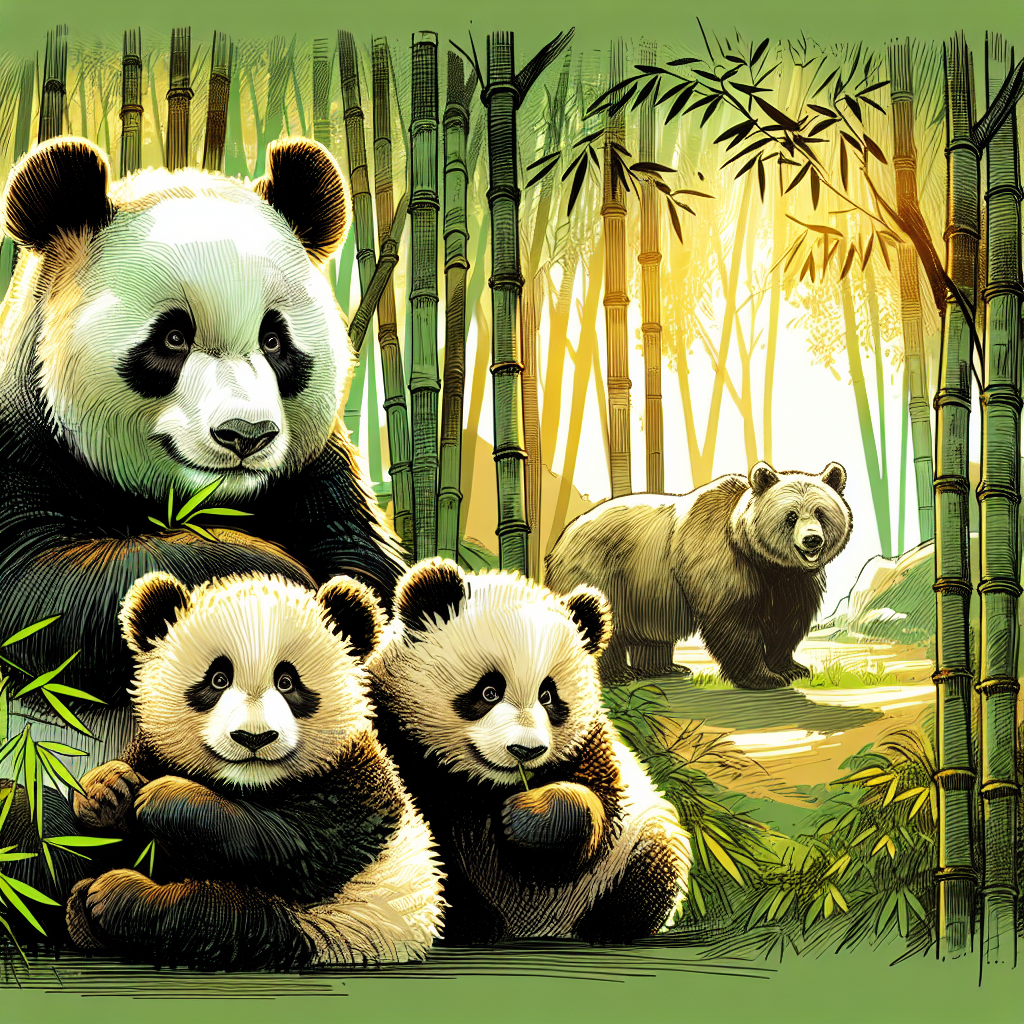
The gentle giant panda’s habitat is a realm of towering bamboo stalks, nestled in the misty mountains of China. In contrast, the rugged grizzly bear calls the diverse terrains of North America home, from dense forests to open tundras. While pandas rely solely on bamboo forests, grizzlies exhibit a wider range of habitat adaptability.
- Panda Habitats: Restricted to mountainous regions in Sichuan, Shaanxi, and Gansu provinces.
- Grizzly Habitats: Found in forests, alpine meadows, and coastal shores.
- Key Differences: Pandas need dense bamboo; grizzlies have broad dietary and habitat flexibility.
This disparity in habitats impacts their behavior and survival, with pandas relying heavily on bamboo, while grizzlies thrive in varied terrains with diverse food sources.
Diet Differences: Bamboo-Lovers vs. Omnivores
Did you know pandas munch through up to 80 pounds of bamboo daily? Meanwhile, grizzly bears, being omnivores, enjoy a varied diet including plants, fish, and small mammals.
- Panda Diet: Exclusively bamboo, which affects habitat selection.
- Grizzly Diet: Includes berries, fish, and insects.
- Diet Importance: Dietary needs influence habitat choices and foraging behaviors.
The exclusive bamboo diet makes pandas particularly vulnerable to habitat changes, emphasizing the importance of conservation efforts. To learn more about their bamboo preferences, check out our Panda Facts.
Conservation Status: Endangered vs. Stable
Pandas, once teetering on the brink of extinction, have been reclassified from “endangered” to “vulnerable,” thanks to rigorous conservation efforts. Grizzly bears, on the other hand, are considered stable in most regions.
- Panda Status: Vulnerable, with extensive conservation efforts ongoing.
- Grizzly Status: Generally stable, though some subpopulations face threats.
- Protection Efforts: Habitat preservation and breeding programs for pandas.
These statuses impact tourism and research, drawing enthusiasts and scientists who aim to support and study their survival in the wild. Interested in conservation details? Learn More.
Panda Behavior vs. Other Bear Behaviors
Social Structure: Solitary vs. Social Bears
Pandas lead largely solitary lives, marking territories with unique scent glands. In contrast, black bears display more social behaviors, especially during periods of abundant food.
- Panda Social Life: Solitary but with marked territories.
- Black Bear Social Structure: More social, often forming groups for foraging.
- Population Maintenance: Solitude helps pandas maintain balance in limited resource areas.
Understanding these social differences can provide insights into their unique lifestyles and needs, vital for effective conservation strategies.
Communication Styles: Sounds vs. Body Language
Pandas express themselves with a unique set of vocalizations, such as bleats and honks, contrary to the grunts and roars of grizzlies and black bears.
- Panda Communication: High-pitched bleats, honks, and chirps.
- Other Bears: Roars, growls, and chuffing.
- Habitat Role: Communication aids in mating and warning against predators.
For an in-depth exploration of their sounds, check out our latest videos here.
Hibernation Patterns: Active Year-Round vs. Seasonal Rest
Unlike their North American cousins, pandas do not hibernate. They remain active throughout the year, adapting to changing seasons by elevating or descending mountains for better food availability.
- Panda Activity: Year-round, adjusting altitude for food.
- Grizzly Hibernation: Seasonal; essential for energy conservation.
- Energy Strategies: Seasonal movements vs. stored fat reliance.
These differences highlight their unique evolutionary adaptations to surviving diverse environments.
Physical Characteristics Comparison: Pandas vs. Black Bears
Size and Weight Disparities
Panda bears and black bears differ significantly in size, affecting their respective ecological roles.
- Panda Average Weight: Around 200-300 pounds.
- Black Bear Average Weight: Typically 100-400 pounds.
- Habitat Needs: Size influences food consumption and territorial range.
These disparities play a role in conservation planning, emphasizing unique habitat requirements.
Adaptations: Claws and Teeth Variations
Pandas have evolved with a pseudo-thumb and strong jaws to strip bamboo efficiently, unlike the more versatile claws and teeth of black and grizzly bears, designed for a broader diet.
- Panda Claws: Strong, pseudo-thumb for bamboo manipulation.
- Other Bears: Adapted for tearing flesh and climbing trees.
- Survival Impacts: Specialized adaptations cater to specific diets.
Fur and Coloring: Thick Coats vs. Variable Colors
Pandas sport a striking black-and-white pattern, thought to provide camouflage and communication cues. Black bears, in contrast, boast a range of colors from black to cinnamon.
- Panda Fur: Thick, for mountain weather insulation and camouflage.
- Black Bear Fur: Color variation aids in diverse habitat camouflage.
- Behavioral Influence: Fur impacts predator avoidance and temperature regulation.
Discover more about their furry adaptations in our Fact Section.
Breeding and Reproduction: Pandas vs. Other Bears
Mating Seasons: Unique Challenges for Pandas
Pandas face a narrow mating window each year, posing significant challenges for breeding programs trying to bolster their numbers.
- Panda Mating: Short, spring window; often results in low birth rates.
- Black Bear Mating: Longer periods during spring and summer.
- Population Impact: Limited mating season affects growth potential.
Efforts to support panda reproduction include artificial insemination and careful habitat management.
Cub Development: Early Life Stages
Panda cubs are born blind and incredibly small, requiring extensive maternal care, while black bear cubs are somewhat more developed at birth.
- Panda Cubs: Tiny, need significant maternal support.
- Black Bear Cubs: More autonomous, but still reliant on mothers.
- Tourism & Education: Raising awareness through educational programs in zoos.
Lifespan Comparisons: Wild vs. Captive
Pandas can live well into their twenties in captivity, a lifespan that can be shorter in the wild due to predation and food scarcity.
- Panda Lifespan: 20-30 years in captivity, slightly less in the wild.
- Black Bear Lifespan: 20 years typically, various factors affecting wild lives.
- Conservation Relevance: Understanding lifespans aids in planning breeding and care strategies.
Stay up-to-date with Panda News for the latest on breathtaking pandas and their caretakers.
Conservation Efforts: Pandas vs. Other Endangered Species
Success Stories: Global Impact of Panda Conservation
Panda conservation is often heralded as exemplary, with efforts like habitat restoration and breeding programs proving incredibly successful.
- Initiatives: Habitat protection, breeding programs.
- Panda Success: A symbol of global conservation efforts.
- Inspiration: Successes drive initiatives for other species.
Role of Zoos and Sanctuaries: Functionality in Care
Zoos play vital roles in panda conservation, not just for breeding but also for public education and research.
- Zoos’ Importance: Breeding and education centers.
- Panda Care: Specialized diets and enclosures.
- Community Engagement: Visiting fosters conservation awareness.
Tourism Impact: Economic Benefits of Panda Viewing
Tourism greatly aids panda conservation by generating funding for habitat protection and research.
- Panda Tourism: Supports local economies and conservation funding.
- Economic Comparison: High economic value vs. other wildlife tourism.
- Community Benefits: Promotes sustainable local development.
Explore more articles that touch your heart for pandas on our Blog.
FAQ: Common Questions About Panda Biology
How do pandas adapt to their environment?
Pandas adapt through their specialized diet of bamboo and climbing capabilities, which allow them to navigate their mountainous habitats effectively.
What distinguishes panda sounds from other bears?
Pandas communicate with gentle bleats and honks, unlike the roaring of grizzlies. These vocalizations play vital roles in social interactions and attracting mates.
Why are pandas considered endangered?
Despite improvements, habitat loss and a low reproduction rate contribute to their endangered status. Conservation efforts focus on habitat restoration and breeding programs.
When is the best time to see pandas in the wild?
Spring, around April to May, is ideal as pandas descend to lower altitudes to mate and feed.
Where do giant pandas primarily live?
Giant pandas are native to the temperate forests in central China, particularly Sichuan Province.
How do panda diets impact their habitat?
Their bamboo-centric diet requires specific habitat conditions, making them highly sensitive to habitat changes and deforestation.
What can I do to help panda conservation efforts?
Support panda conservation by donating to reputable organizations, spreading awareness, and visiting conservation-friendly zoos or sanctuaries.
Conclusion
Our exploration into the world of panda biology has offered fascinating insights into the captivating life of these beloved creatures. Whether it’s their unique bamboo diet or their gentle, solitary nature, pandas never cease to captivate us. To keep your panda passion alive, explore more on our site and remember these key points:
- Pandas have unique adaptations for their bamboo-rich habitat.
- They are a symbol of successful conservation efforts.
- Their behavior and communication are distinct from other bears.
- Supporting pandas aids broader conservation initiatives.
Keep diving into more panda wonders and spread the love for these extraordinary animals!
Keep Exploring
Play Pandagatchi for more panda facts, guides, and cute discoveries.
Read Panda Facts to get the best panda content in one place.