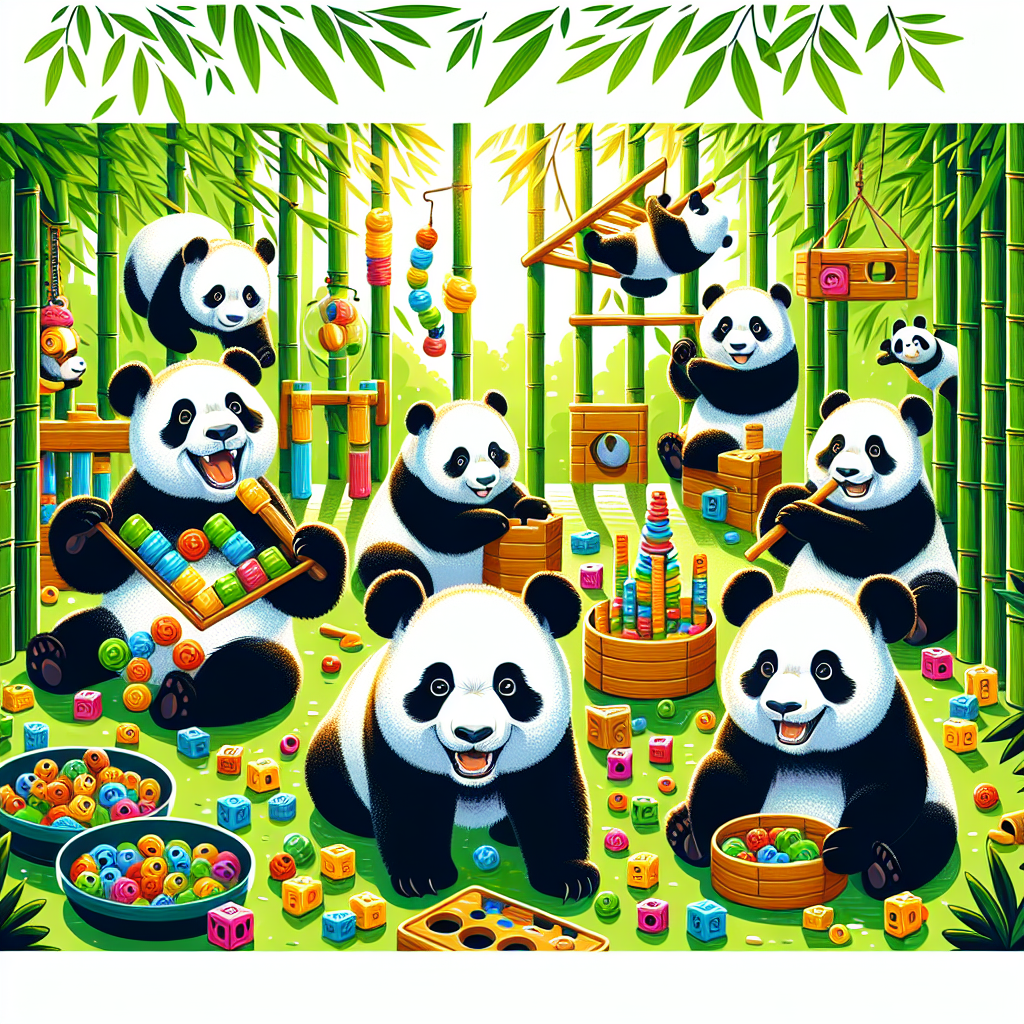
Enrichment Items For Pandas: How To Keep Them Happy
Introduction
Welcome to the delightful world of pandas! These black-and-white bears are not just adorable, but they also require carefully curated environments to thrive. Enter the realm of enrichment items for pandas—an essential aspect of their care. These items are more than just toys; they play a crucial role in promoting mental and physical health, greatly impacting conservation efforts. Let’s embark on this journey to discover how these items contribute to the well-being of pandas.
Understanding Panda Enrichment
What is Enrichment?
Enrichment is a term used to describe any activity or item that stimulates an animal’s natural behaviors. For pandas, enrichment helps mimic their natural environments. This can include:
- Physical Enrichment: Items like bamboo toys and climbing structures.
- Sensory Enrichment: New scents or textures that stimulate their senses.
- Social Enrichment: Interaction with other pandas or caregivers.
These elements are crucial to keep pandas engaged and active.
Importance of Enrichment for Pandas
Enrichment items aren’t just for fun; they’re key to maintaining pandas’ mental and behavioral health. They help:
- Reduce stress and boredom.
- Encourage exercise and natural behaviors.
- Play a role in research for conservation efforts.
According to the World Wildlife Fund, a stimulating environment is vital for pandas’ well-being, especially in captivity.
Types of Enrichment Items
The types of enrichment items are as diverse as the pandas themselves. Some popular examples include:
- Physical Items: Bamboo sticks, puzzle feeders, and nest boxes.
- Sensory Items: Scent trails and textured mats.
- Social Interactions: Playing with other pandas or caregivers.
Explore more about the latest in panda enrichment through our Panda News section.
Choosing the Right Enrichment Items
Factors to Consider
Selecting the ideal enrichment item involves understanding the panda’s personality, age, and individual preferences. Consider:
- Age: Cubs need softer, safer toys, while adults might enjoy more complex challenges.
- Personality: Some pandas may have favorites, such as climbing or chewing.
- Health: Any special health needs should be considered when selecting items.
Popular Items for Pandas
While bamboo is a universal favorite, pandas also love:
- Climbing Structures: Helps fulfill their natural desire to explore vertical spaces.
- Water Features: Pools or streams for cooling and play.
- Interactive Toys: Puzzle feeders that dispense food to engage their minds.
DIY Enrichment Items
Creating DIY enrichment items can be a rewarding experience. Here are some simple ideas:
- Bamboo Bundles: Tie bamboo stalks together for chewing and playing.
- Ice Blocks: Freeze fruits or panda treats into ice for longer engagement.
- Scented Toys: Use natural oils to create scent trails.
These homemade items can offer variety and engage pandas continuously.
Implementing Enrichment in a Panda’s Habitat
Setting Up the Space
Placing enrichment items in a panda’s habitat requires strategic thinking. Tips include:
- Arrange items to create intrigue and exploration paths.
- Ensure safety by avoiding sharp edges or materials pandas could ingest.
- Provide a mix of items: climbing, sensory, and foraging.
Rotating Items for Interest
Continuously engaging a panda means regularly swapping out items. Rotate pieces by:
- Changing their location or orientation.
- Introducing new items while retiring old ones temporarily.
- Observing pandas’ responses and adjusting accordingly.
Variety is key to keeping intelligent creatures like pandas entertained.
Monitoring Panda Interaction
Observing how pandas interact with enrichment items can be quite telling. Look for:
- Increased activity levels or new behaviors.
- Signs of boredom or disinterest, signaling it’s time for change.
- Any signs of stress might indicate the need for different strategies.
Monitoring helps in fine-tuning the enrichment setup for optimal impact.
Enrichment Items for Different Panda Life Stages
For Baby Pandas
Cubs are curious and energetic, requiring:
- Soft, chew-safe toys made of natural materials.
- Gentle climbing structures that encourage exploration without risk.
- Items that emit mild scents to enhance sensory development.
For Adult Pandas
Adults enjoy enrichment that challenges them both physically and mentally, such as:
- Complex climbing networks with swings or ropes.
- Interactive puzzle feeders that dispense hidden treats.
- Water features for both play and bathing.
Considerations for Elderly Pandas
Older pandas need supportive items that cater to their changing needs. Consider:
- Comfortable resting platforms with easy access.
- Low-impact toys that encourage gentle play.
- Enhanced social interactions with caregivers for mental stimulation.
The Role of Caregivers in Panda Enrichment
Training and Interaction Techniques
Caregivers are vital in providing effective enrichment. Important techniques include:
- Consistent routines that build trust and anticipation.
- Training on recognizing panda behaviors and needs.
- Implementing reward-based interactions to encourage desired behaviors.
Collaborating with Specialists
Working alongside panda specialists ensures enrichment plans are tailored effectively. Benefits include:
- Personalized strategies based on expert input.
- Access to innovative ideas and global advancements.
- Consistent updates to ensure practices remain current and effective.
Creating Enrichment Challenges
Engaging pandas in fun challenges keeps them mentally sharp. Examples are:
- Hide-and-seek games involving food disappearing into logs or higher platforms.
- Create obstacle courses using natural obstacles for exploration.
Stories and Successes in Panda Enrichment
Case Studies of Successful Enrichment Programs
Many zoos have developed successful enrichment programs. For instance:
- Smithsonian National Zoo: Integrates diverse item types and interactions.
- Edinburgh Zoo: Known for pioneering night-time sensory stimulation.
Fun Facts About Panda Enrichment
Did you know?
- Pandas’ grip strength allows them to manipulate toys with surprising finesse.
- They can detect new scents from surprisingly long distances, making scent-based toys highly effective.
How Enrichment is Impacting Conservation
Enrichment doesn’t just benefit pandas in captivity. It’s a bridge to conservation, as seen in success stories like:
- Restore and release programs using enrichment to prepare pandas for the wild.
- Research linking enrichment use to increased breeding success.
Dive deeper into these success stories with our Panda Videos.
FAQ: Common Questions About Enrichment Items for Pandas
How do enrichment items affect panda behavior?
Enrichment items significantly impact panda behavior by encouraging natural instincts. They stimulate curiosity and playfulness, which leads to healthier social interactions and cognitive development.
What types of enrichment items are best for pandas?
The best enrichment items for pandas include bamboo toys, climbing structures, and puzzle feeders. These cater to their natural behaviors while offering mental and physical stimulation.
Why is enrichment so crucial for pandas in captivity?
Enrichment is crucial for pandas in captivity because it replicates aspects of their natural habitat, reducing stress and promoting natural behaviors, which is vital for their overall well-being and breeding success.
When should enrichment items be introduced to pandas?
Enrichment items should be introduced from a young age to cultivate natural behaviors. However, pandas at any life stage can benefit from carefully designed enrichment strategies.
Where can I find quality enrichment items for my panda?
Quality enrichment items are available at specialized wildlife organizations and through partnership with zoos. They are designed to be safe and effective for panda engagement.
How often should enrichment items be changed or rotated?
Enrichment items should be rotated every few weeks to maintain interest and engagement. Rotation prevents boredom and encourages continuous exploration and interaction.
What are some innovative ways to create DIY enrichment?
Innovative DIY enrichment involves using household items like cardboard boxes or fabric strips to create sensory toys. Adding frozen fruits or scent trails can enhance these creations.
Conclusion
Here’s a quick recap of why enrichment items for pandas are so vital:
- Enrichment keeps pandas mentally and physically active.
- Aids in reducing stress and promoting natural behaviors.
- Engages pandas and supports conservation efforts.
For more insights into panda care and the fascinating world of these lovable creatures, explore our extensive resources. Embracing enrichment is a critical step in enhancing panda welfare and supporting their conservation.