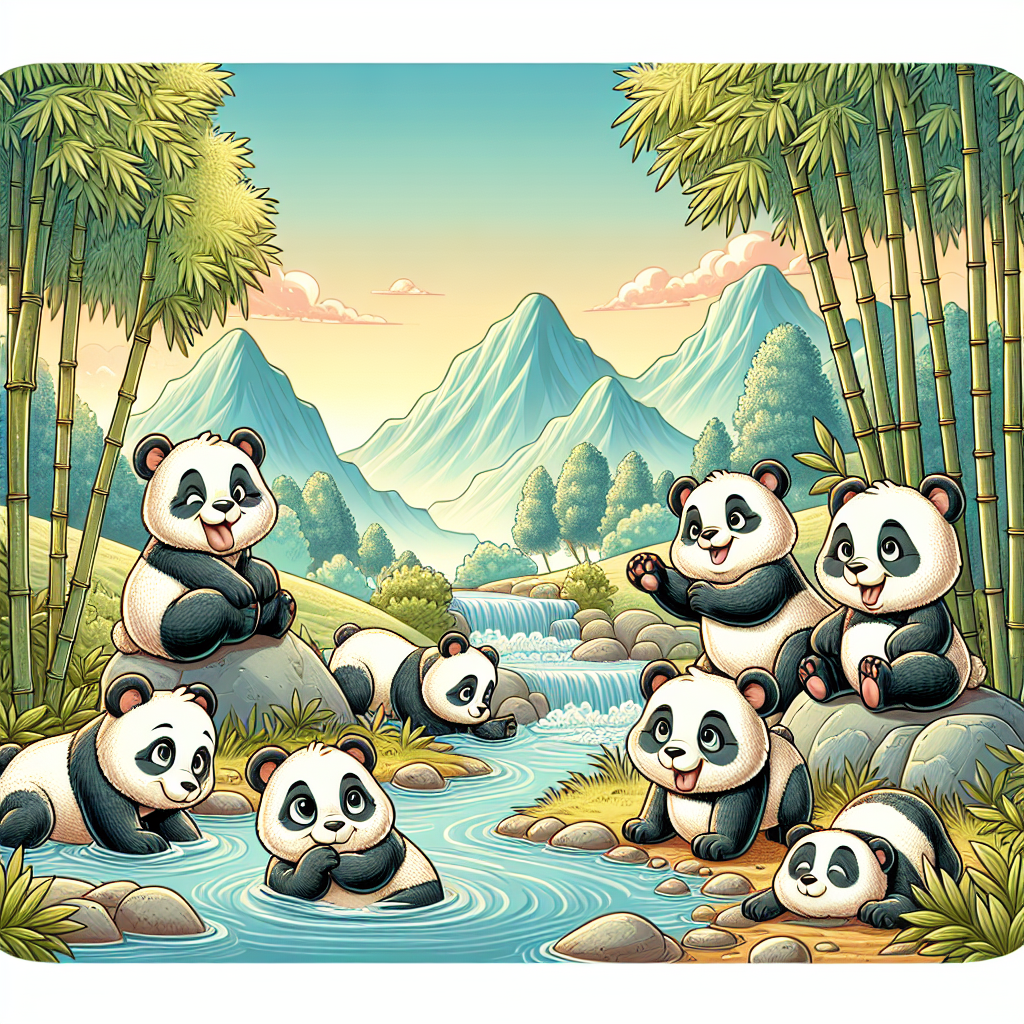
Panda Trivia Topic 12,7900,23,Navigational: Fun Facts & Care
Introduction
Welcome to a captivating dive into panda trivia topic 12,7900,23,navigational! Prepare yourself for a journey filled with fascinating facts, essential care tips, and insights into conservation efforts. We hope to tickle your curiosity as we unravel the delightful and mysterious world of pandas to explore their cultural significance across the globe.
Exploring the Panda’s Habitat
Myth: Pandas Can Thrive Anywhere
Truth: Pandas are native to specific mountainous regions in China and require these specialized habitats.
Pandas inhabit the misty, elevated terrains of Sichuan, Shaanxi, and Gansu provinces in China. These thickly forested mountains offer bamboo—pandas’ primary food source. The myth that pandas adapt anywhere might stem from their prevalence in zoos worldwide. However, scientific research highlights the intricacies required in replicating their natural habitats.
- Natural Habitat: Dense bamboo forests at altitudes of 5,000-10,000 feet.
- Adaptability Challenges: Temperature control and diet replication are crucial outside these regions.
The Importance of Habitat Conservation
Myth: Pandas are no longer endangered, so their habitats don’t need protection.
Truth: While pandas’ status improved, their habitats remain at critical risk.
The perception of pandas being “saved” is optimistic but misleading. According to the World Wildlife Fund, their populations recover due to intense conservation efforts, yet habitat loss from agriculture and urbanization persists. That’s why conservation inventions remain essential.
- Conservation Focus: Reforestation and sustainable agriculture practices.
- Ongoing Efforts: Protected nature reserves and breeding programs contribute to stability.
Virtual Habitats: Panda Games
Myth: Panda-themed games are just for entertainment.
Truth: Many games educate and increase awareness about conservation.
Video games like Panda Pop gamify crucial themes. They depict environmentally engaging narratives that subtly teach users about habitat threats and panda rescue techniques. For enthusiastic panda fans and casual gamers, these elements make games more than just a source of enjoyment.
- Games Promoting Awareness: Encourage curiosity and allow virtual interaction with pandas.
- Watch panda videos to see these themes in action.
- Educational Aspects: Explain threats like deforestation and involve community support missions.
Fun Facts About Pandas
Unique Physical Traits
Myth: All bears are similar in their morphology.
Truth: Pandas have unique adaptations differing significantly from other bears.
Pandas are notably distinct from their bear cousins, with their iconic black-and-white coat and robust physical features. These characteristics are uniquely adapted for their bamboo-centric lifestyle.
- Coloration: The stark contrast helps in camouflage, blending within snowy and shadowy forests.
- Strong Jaws and Teeth: Specifically evolved for crushing bamboo’s tough exterior.
Fun Behaviors
Myth: Pandas are lazy creatures.
Truth: Despite perceived sluggishness, pandas exhibit lively, playful, and social behaviors.
While pandas spend a significant portion indulging in bamboo, their habits include climbing, rolling, and even play-fighting. Many may assume laziness because of pandas’ prolonged eating and sleeping routine, but they are active and social animals in their elements.
- Playful Nature: Engagement in social interactions, especially among younger pandas.
- Bamboo Crunching: Takes a large portion of their daily activities due to low nutritional value.
Giants of Habit
Myth: Like other bears, pandas hibernate.
Truth: Pandas do not hibernate, which is an exception among bears.
A common misconception is that pandas, like other bears, undergo hibernation. Contrary to this, pandas search for food year-round due to their low-calorie bamboo diet needing constant replenishment.
- Daily Routine: Involves time-scheduled eating, sleeping, and roaming activities.
- Non-Hibernation: Adaptable to colder regions with a thick fur coat.
Panda Care Tips for Fans
How to Care for Panda Collectibles
Myth: Panda collectibles don’t need specific care.
Truth: Proper maintenance extends the life and appearance of your collections.
Panda enthusiasts often hold cherished items like plushies and figures. Ensuring these collectibles remain in prime condition requires some basic practices, contrary to the misconception.
- Storage Tips: Keep them dry, free from excessive sunlight and dust.
- Display Ideas: Shelving with glass fronts prevents direct contact with potential pollutants.
Caring for Young Panda Fans
Myth: Conservation is too complex for children.
Truth: Simplicity and engagement can effectively teach conservation values to kids.
Introducing kids to conservation isn’t daunting with suitable activities. Creative approaches make learning about pandas both fun and educational, shaping young minds towards environmental awareness.
- Fun Activities: Panda-themed arts, games, and storytelling.
- Teaching Tips: Emphasize empathy, sharing stories about pandas needing help.
Supporting Panda Awareness Programs
Myth: Individual efforts don’t significantly impact.
Truth: Collective small actions from individuals can drive change significantly.
People often underestimate their influence on conservation efforts. Supporting initiatives, be it financial contributions or volunteer work, fosters considerable difference in the larger picture.
- Involvement Tips: Volunteer and donate to panda-centric causes.
- Impacts of Activism: Amplifies by grassroots efforts and spreading awareness.
- Learn more on how you can involve yourself directly.
Conservation Efforts in Action
Key Organizations Fighting for Pandas
Myth: Conservation efforts stem from government actions alone.
Truth: NGOs and international partnerships are at the conservation forefront.
Many assume government initiatives drive environmental conservation; however, non-profits and private organizations play essential roles in this global task. Their collaborative efforts amass in rejuvenating panda populations.
- Main Players: WWF, Pandas International, and other organizations lead these efforts.
- Current Initiatives: Focus on habitat restoration and panda breeding initiatives.
How You Can Help
Myth: One person’s environmental contributions are negligible.
Truth: Every individual’s action adds to the ripple effect in conservation.
Helping rainforest efforts and spreading awareness aren’t just catchphrases; they are instrumental in conservation. Overcoming this myth means more engaging methodologies for enthusiasts to sustain collective benefits.
- Simple Actions: Use eco-friendly products, support sustainable practices.
- Public Participation: Join environmental education programs and advocacy groups.
- Read panda conservation news to stay informed on global efforts.
Success Stories
Myth: Panda conservation stories don’t always reflect real success.
Truth: Documented resettlement projects and population increase highlight success.
Positive stories around panda conservations aren’t mere fabrications. They are backed by years of scientific research and fundamental initiatives showing the progressive rebalancing of their populations.
- Resettlement Projects: Successfully navigated relocations fostering thriving populations.
- Inspiration Through Recovery: Demonstrates successful human intervention in reversing fierce environmental challenges.
The Role of Pandas in Culture
Pandas in Film and Media
Myth: Panda representations in media lack depth and purpose.
Truth: Films and shows using pandas often emphasize conservation messages.
Pandas in media are more than just adorable creatures entertaining audiences. They symbolize deeper messages about environment conservation and depict crucial biodiversity themes, making them cornerstone examples in many cultural storytelling.
- Popular Media: Features like Kung Fu Panda reflect not just animation excitement but also harmony with nature and ecological balance.
- Conservation Emphasis: Draws societal focus on biodiversity and preservation ethics.
Panda Collectibles: A Trendy Passion
Myth: Panda collectibles are merely pastime hobbies.
Truth: They often carry historical, artistic, and conservationist value.
Collectibles isn’t just a hobby, it reflects a deeper cultural expression of interest and dedication towards these fascinating creatures. It empowers passionate collectors to disseminate the panda spirit further.
- Popularity: Items range from plush toys to limited-edition figurines.
- Care Tips: Keeping collectibles dust-free and preserving packaging enhances longevity.
- Find and care for panda collectibles.
Schools and Pandas
Myth: Pandas are unrelated to educational progress.
Truth: Pandas effectively serve as educational tools to engage students in ecosystem explorations.
In educational settings, kids enjoy learning about pandas due to their appealing nature. Teachers expand this interest into larger educational frameworks, linking it back to environmental and conservation lessons.
- Classroom Projects: Utilize panda themes to explore topics like habitat conservation, biology, and environmental science.
- Educational Impact: Engages interest and demonstrates interconnectedness of species and habitats.
- Access more educational panda facts.
The Joy of Panda Gaming
Popular Panda-Themed Games
Myth: Panda-themed games are trivial time-wasters.
Truth: These games often contain strong educational elements and a focus on wildlife.
While pandas prancing across screens can appear as mere entertainment, many games go beyond this by adding layers of educational narratives like habitat conservation and biodiversity.
- Top Titles: Panda Pop, Panda Jam, and other puzzle games.
- Educational Integration: Incorporate wildlife facts and conservation challenges.
How Gaming Fosters Interest in Wildlife
Myth: Gaming doesn’t contribute to real-world issues.
Truth: By engaging players with wildlife themes, games boost interest in real-life conservation efforts.
Incorporating game mechanics with real-world issues, players become aware of conservation-related challenges and solutions through virtual interaction. It seeds genuine interest in biodiversity preservation.
- Success Stories: Games that naturally tie wildlife awareness with engaging gameplay.
- Real-World Connection: Insight into ecosystems’ components and collaborative preservation efforts.
Community Engagement in Panda Games
Myth: Online gaming communities influence nothing beyond virtual scores.
Truth: Communities galvanize interest, cultivate conservation efforts and promote learning.
Online forums and players’ communities extend beyond gaming. They often share information and coordinate efforts to support panda conservation through virtual campaigns, educational outreach, and more.
- Engagement Benefits: Cross-cultural exchanges on panda habitats and conservation motives.
- Learning and Support: Drives environmental awareness through shared resources and community projects.
- Explore all blogs about pandas.
FAQ: Common Questions About Panda Trivia Topic 12,7900,23,Navigational
How do pandas contribute to their ecosystem?
Pandas play a critical role in their ecosystem by facilitating bamboo forest growth. By spreading bamboo seeds through their droppings, they aid in maintaining the biodiversity of their habitats. Their foraging habits also encourage new shoots to sprout, promoting healthy vibrant forests.
What do pandas primarily eat?
Bamboo constitutes nearly 99% of a panda’s diet. They occasionally enjoy other diverse foods like small rodents or carrion, but their digestive system is specially adapted to consume copious amounts of bamboo daily.
Why are pandas considered endangered?
Although their status moved from endangered to vulnerable, habitat loss continues posing a risk. Deforestation reduces the areas where pandas can thrive, while low birth rates in wild populations further challenge their recovery.
When is the best time to visit a panda reserve?
Spring and autumn are optimal times to visit panda reserves in China. These seasons offer the mildest weather and the most engaging panda activities, such as play-fighting cubs and vibrant foliage.
Where can I find panda collectibles near me?
Specialty gift shops, online marketplaces, and conservation organizations offer a wide range of panda collectibles. Keep an eye for limited editions during environmental awareness events and campaigns for exclusive finds.
How can I participate in panda conservation efforts?
Joining local conservation groups or contributing to reputable international organizations are practical ways to participate. Volunteering at zoos and education programs can also amplify your contribution.
What are fun facts about baby pandas?
Baby pandas, typically weighing only about 3 to 5 ounces at birth, are smaller than most baby bears. They are born pink and blind and develop their trademark coloring at around 3 months old, capturing tourists and researchers’ hearts with their adorably helpless state.
Conclusion
- Pandas are more culturally and environmentally significant than often perceived.
- Conservation brings positive outcomes but needs continued support and awareness.
- Panda-themed games and collectibles enrich interest in wildlife and environmental stewardship.
- Explore fascinating vistas with each “panda trivia topic 12,7900,23,navigational” dive!
To continue exploring the delightful world of these iconic creatures, don’t miss out on further charming panda trivia and knowledge. Visit us at iHeartPandas for more!
Keep Exploring
Play Pandagatchi for more panda facts, guides, and cute discoveries.
Read Panda Facts to get the best panda content in one place.